
Is Mold Really Covered? The Fine Print NJ Homeowners Forget to Read

When New Jersey homeowners discover mold after a leak, flood, or burst pipe, they often assume their homeowners insurance will pay to remove it. But mold coverage is one of the most misunderstood and restricted areas in modern home insurance policies.
In many cases, mold is only covered sometimes, partially, or not at all — and the difference usually comes down to a few sentences buried deep in the policy.
This guide breaks down what NJ homeowners need to know so they don’t get blindsided by exclusions, caps, or hidden limitations during their claim.
Why Mold Coverage Is So Confusing
Insurance companies treat mold differently than water damage. Water is usually covered when it’s sudden and accidental. Mold, however, is often categorized as either:
- A consequence of a covered water loss
- A maintenance issue
- A policy-limited contaminant
Understanding which category your mold falls into determines whether your carrier pays $0 or thousands toward cleanup.
1. Mold Is Typically Covered Only if It Results From a Covered Water Loss
Most NJ homeowners policies include language like:
“Mold resulting from a covered peril will be covered, subject to policy limitations.”
This means mold must come from something the policy already covers, such as:
- A sudden pipe burst
- An accidental appliance overflow
- Storm-created opening that lets in rain
- Firefighting water
If the water event is not covered, the resulting mold is not covered either.
Examples of mold usually covered:
- Mold after a washing machine supply line bursts
- Mold caused by water used to extinguish a kitchen fire
- Mold discovered after a sudden plumbing break inside a wall
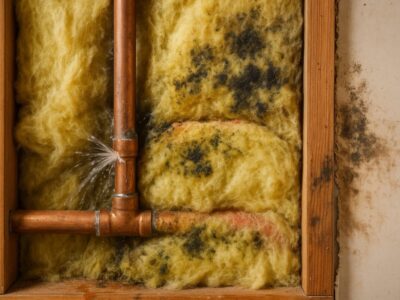
2. Mold Is Usually Not Covered If It Results From Long-Term Water Damage
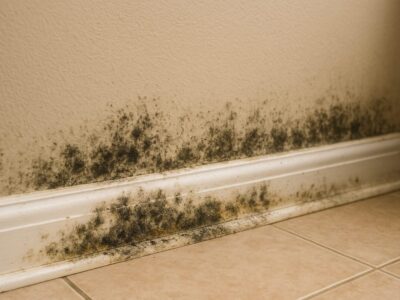
Policies nearly always exclude mold arising from:
- Slow leaks
- Humidity or condensation
- Poor ventilation
- Repeat bathroom moisture
- Water seepage over time
- Basement dampness
If the adjuster believes the mold grew because of neglect, delayed maintenance, or long-term moisture, the claim is typically denied or minimally paid.
This is where many NJ homeowners get blindsided — they didn’t notice the slow leak, but the carrier still classifies it as “long-term.”
3. Most Policies Have Mold Caps — Often as Low as $5,000
Even when mold is covered, almost all policies include strict dollar limits, commonly:
- $2,500
- $5,000
- $10,000
These caps apply to remediation, testing, cleanup, containment, PPE, and disposal.
If the mold spread behind walls or throughout multiple rooms, the cost can easily exceed the cap, leaving homeowners to pay the rest out of pocket.
4. Mold Testing Is Usually Limited or Excluded
Many NJ homeowners assume air testing or laboratory analysis is routinely covered.
In reality:
- Some policies exclude testing entirely
- Some only cover testing performed after remediation
- Some require testing only if the insurance company requests it
Independent, homeowner-initiated testing is often not reimbursed unless specifically authorized as part of the claim.
5. Remediation Standards Can Affect Coverage
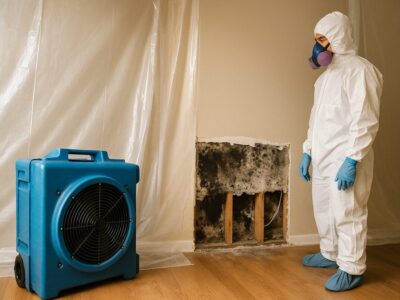
New Jersey remediation companies often follow IICRC S520 standards, which require:
- Containment
- Negative air pressure
- HEPA air filtration
- Removal (not cleaning) of porous materials
These legitimate steps sometimes surpass what insurers initially budget for, leading to disputes unless the homeowner documents the extent of contamination and justifies the required scope.
6. How NJ Homeowners Can Protect Their Mold Claim
✔ Report water damage immediately
Even a 24–48 hour delay can cause insurers to argue “late reporting,” blaming the homeowner for mold growth.
✔ Document the source of water
Video, photos, plumber reports, and moisture readings help establish that the water loss was sudden — and therefore covered.
✔ Get a professional moisture inspection
This helps distinguish between old, new, and ongoing damage.
✔ Keep all contractor estimates and findings
Insurers often lowball mold-related costs unless documentation is detailed.
✔ Request a supplement if new mold is discovered during repairs
Hidden mold behind walls is extremely common.
Key Takeaways for NJ Homeowners
- Mold is only covered when it stems from a covered water loss.
- Long-term leaks and moisture issues are almost always excluded.
- Mold coverage limits (“caps”) typically restrict payouts significantly.
- Testing, containment, and proper remediation may exceed the insurer’s initial estimate.
- Documenting the cause and timeline of the water loss is crucial.
Understanding mold coverage before a claim can prevent thousands of dollars in unexpected out-of-pocket costs.