
The Truth About Water Damage Claims (What NJ Homeowners Miss Most)

Water damage is one of the most common—and most misunderstood—types of homeowners insurance claims in New Jersey. Every year, thousands of homeowners deal with burst pipes, leaking roofs, failed appliances, clogged drains, and storm-related water intrusions.
Yet despite how common these events are, most homeowners unknowingly make mistakes during the claim process that reduce their payout, delay repairs, or cause a denial. This happens not because homeowners do anything wrong, but because water damage claims are complicated, technical, and full of policy limitations that aren’t obvious.
This guide breaks down the real reasons water damage claims go sideways—and what NJ homeowners must understand to protect themselves.
1. Not All Water Damage Is Covered
The biggest misconception homeowners have is assuming any water damage is automatically covered. Water losses fall into several categories, and policies treat each category differently:
Commonly Covered Water Losses:
- Sudden pipe bursts
- Failed appliances (dishwasher hose break, washing machine supply line failure)
- Sudden plumbing failures
- Water heater ruptures
- Accidental discharge from HVAC systems
Commonly Not Covered (or Limited):
- Seepage or slow leaks over time
- Foundation penetration from poor grading
- Mold that develops due to delayed reporting
- Drain backups without an endorsement
- Flooding from rising water
Most denials occur because a claim gets categorized as “ongoing” or “maintenance-related” rather than sudden and accidental.
Knowing this distinction can determine whether a claim results in a full payout—or nothing at all.
2. Documentation Mistakes Cost More Than the Damage Itself
Water moves fast—and so should documentation. Insurers rely heavily on what they can see after the loss, not what happened in the moment.
NJ Homeowners Often Miss:
- Taking photos before cleanup begins
- Photographing the source of the water
- Capturing the water flow path
- Showing moisture readings
- Documenting damaged contents individually
Poor documentation is one of the top reasons adjusters reduce payouts, because the evidence supporting the full scope of damage disappears during mitigation.
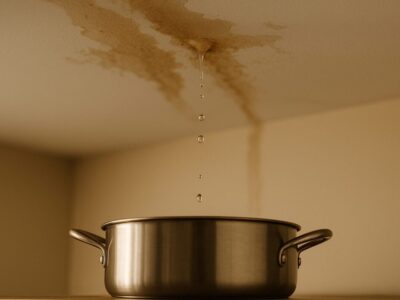
3. “Drying Only” Estimates Don’t Address Hidden Structural Damage
Mitigation companies often focus on drying—but insurance carriers require proof of the full scope of damage, including reconstruction.
NJ homeowners commonly overlook:
- Saturated insulation behind walls
- Subfloor swelling
- Warped trim and baseboards
- Moisture trapped in cabinets
- Damage beneath tile or vinyl
If these items aren’t tested, photographed, and included in the estimate, the carrier will not pay for them later.
4. Insurance Company Adjusters Often Assume “Minimal Damage”
Carrier adjusters frequently write estimates that include:
- Limited drywall removal
- Surface-level cleaning
- Drying without demo
- Minimal reconstruction
These estimates tend to ignore:
- Hidden mold risks
- Material matching requirements
- Industry standards (like IICRC S500)
- The actual cost of bringing a home back to pre-loss condition
This forces homeowners into a position where they either:
- Pay out-of-pocket to do the job correctly,
or - Accept repairs that don’t fully restore the home.
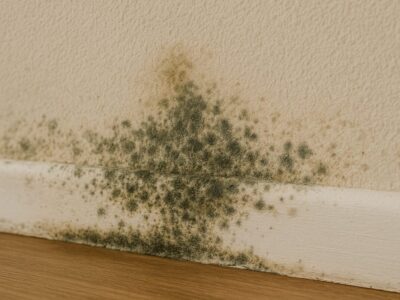
5. Mold Growth Complicates Claims—Fast
New Jersey’s climate makes water-damaged homes vulnerable to mold within 24–72 hours.
Most policies include very low mold limits—often $1,000–$5,000—unless the homeowner purchased additional coverage.
Homeowners frequently miss:
- Mold exclusions tied to slow leaks
- The time-sensitive requirement to report mold
- The difference between mold remediation vs. water mitigation
- That mold limits don’t apply if the mold was caused by a covered water loss (a major point homeowners rarely know)
Misunderstanding this can mean the difference between full coverage and a capped payout.
6. Contents (Personal Property) Are a Separate Claim Entirely
Most homeowners don’t realize that structural damage and contents damage are handled separately.
Contents Mistakes That Reduce Payouts:
- Throwing items away before listing them
- Not documenting each item individually
- Not assigning values
- Not photographing the damaged areas
- Not explaining how the item was damaged
Water-damaged contents can easily total thousands of dollars, but only if properly listed and submitted.
7. NJ Policies Contain Hidden Water-Related Limitations
Many New Jersey policies now include:
- Water damage sublimits
- Managed repair programs (MRPs)
- Service line exclusions
- Anti-concurrent causation clauses
- Wear and tear exemptions
- Higher deductibles for water claims
These clauses are often buried in endorsements that homeowners never notice until a loss occurs.
Understanding these limitations early can prevent claim denials later.
8. The Biggest Factor: Homeowners Don’t Know Their Rights
Water damage claims move fast, and homeowners often rely entirely on the carrier’s interpretation of the loss.
Most homeowners don’t know:
- They have the right to a fair, full estimate
- They can request independent inspections
- They can dispute low offers
- They can challenge coverage interpretations
- They can consult professionals who specialize in property claims
Water damage claims are not straightforward. The carrier has their own adjuster.
The contractor has their own priorities.
Homeowners deserve someone in their corner, too.

Final Thoughts: Water Damage Claims Aren’t Simple—But They’re Manageable
The truth is simple:
New Jersey homeowners routinely miss important steps in water damage claims not because they’re careless—but because the system is built on technical rules that the average person would never know.Understanding:
- what is covered,
- how to document damage,
- how reconstruction is evaluated, and
- how policies limit water losses
can make the difference between a correct settlement and a denied or underpaid claim.
Proper knowledge is the most powerful tool homeowners have when recovering from water damage.