
What If Your Insurance Says the Fire Was ‘Negligence’? Coverage Explained
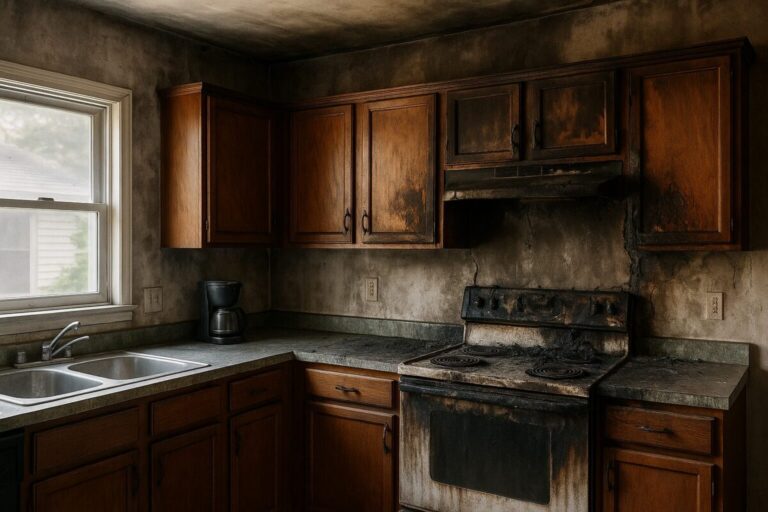
When a fire occurs in a New Jersey home, insurance companies sometimes respond with one of the most frustrating statements a homeowner can hear: “We believe the fire resulted from negligence.”
This phrase can alarm homeowners because it sounds like the carrier is saying the fire was your fault — and therefore not covered.
But in most cases, negligence DOES NOT void coverage under a standard NJ homeowners policy.
This blog explains exactly what insurance means by “negligence,” how it affects coverage, and what NJ homeowners must do to protect their claim.
What Insurance Really Means by ‘Negligence’
In insurance language, “negligence” usually means:
- The homeowner accidentally caused the fire, or
- The homeowner failed to prevent conditions that contributed to the fire
It does NOT mean the homeowner intentionally caused the loss.
✔ Accidental = Usually Covered
✔ Intentional = Not Covered
Insurance companies sometimes use the word negligence to cast doubt or slow a claim, but in New Jersey, accidental fires remain covered, even when caused by a mistake.
Common “Negligence-Related” Fire Scenarios That Are Still Covered
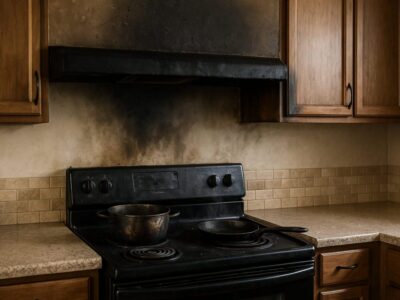
- Kitchen fires caused by unattended cooking
One of the most common house fire sources — still covered.
- Space heaters placed too close to furniture
Careless, yes. But intentional? No. Coverage applies.
- Candle left burning in a room
Accidental oversight, not arson.
- Dryer lint buildup causing ignition
Insurance may critique maintenance, but the loss remains covered.
- Electrical overload from multiple appliances
Coverage still applies unless the homeowner intentionally tampered with wiring.
What Isn’t Covered under Negligence?
Insurance can deny a fire claim only if:
- The fire was intentionally set by the homeowner.
Arson by an insured party is not covered.
- The homeowner intentionally created unsafe conditions.
Example: disabling smoke detectors for personal convenience.
- The fire resulted from illegal activity.
Example: indoor use of banned heating devices.
Outside of these rare scenarios, negligent or accidental fires remain payable.

How Insurance Uses Negligence to Limit Payouts
Even if the fire is covered, insurers may use “negligence” to:
- Downplay smoke or soot spread
Suggesting the homeowner “should have closed doors” or prevented spread.
- Argue that certain damages pre-existed the fire
Especially in older homes.
- Reduce contents coverage
By claiming items were poorly maintained, depreciated, or already damaged.
- Limit ALE (Additional Living Expenses)
By implying the homeowner delayed mitigation.
These tactics do not eliminate coverage — they just reduce the payout unless challenged.
What to Do Immediately if Your Carrier Mentions “Negligence”
- Request their written explanation.
Verbal mentions are not official. Written statements force clarity.
- Document the entire home thoroughly.
Photos, videos, and room-by-room soot evidence.
- Get an independent origin & cause review if needed.
Especially if the insurer’s adjuster appears biased.
- Preserve everything in its post-fire condition until fully inspected.
- Track all ALE expenses from day one.
Receipts, hotel invoices, meals, mileage.
- Do not admit fault, guess, or speculate.
Stick to facts: when you discovered the fire and how you responded.

Key Takeaways for NJ Homeowners
- “Negligence” does NOT void coverage for accidental fires.
- Carriers sometimes use the term to reduce claim value, not to deny outright.
- Intentional acts are the only real exclusion.
- Documentation and clarity early in the process protect your rights.
- New Jersey policies are designed to cover accidental house fires — even if caused by mistakes.