
Soot, Odor, and Hidden Damage: What NJ Homeowners Miss After a Fire
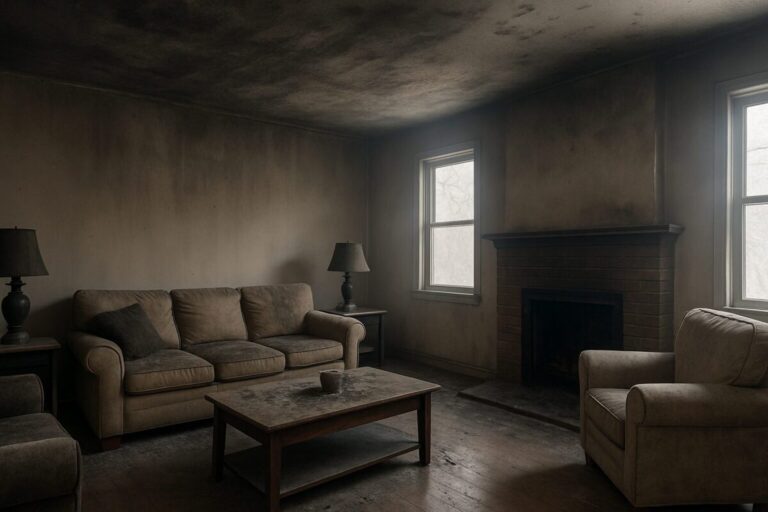
When a fire happens in a New Jersey home, the visible damage rarely tells the full story.
Even small, quickly extinguished fires can create thousands of dollars in hidden damage that many homeowners overlook — and that insurance companies often don’t volunteer to explain.
This guide breaks down the three major categories of post-fire damage homeowners routinely miss: soot, odor, and secondary/hidden structural impact. Understanding these issues early helps ensure the claim is documented correctly and prevents costly surprises later in the restoration process.
What Makes Fire Damage So Unique?
Unlike water or storm damage, fire losses combine heat, combustion byproducts, and contamination, all of which spread far beyond the burn area. In most NJ homes, HVAC systems, open room layouts, and air currents push soot into areas that look untouched, leading homeowners to underestimate the true scope of the loss.
Insurance policies typically cover fire, smoke, and soot damage — but only to the extent the homeowner can prove the full impact.
1. Soot Damage Moves Farther Than Homeowners Expect
Soot isn’t just dirt.
It is a fine, oily, acidic residue that adheres to:
- Walls, ceilings, and trim
- Furniture and upholstery
- Clothing and soft goods
- Electronics
- HVAC ducts
- Hard surfaces such as cabinets, light fixtures, and countertops
Because soot is corrosive, the longer it sits, the more permanent the damage becomes.
Commonly missed soot-related issues:
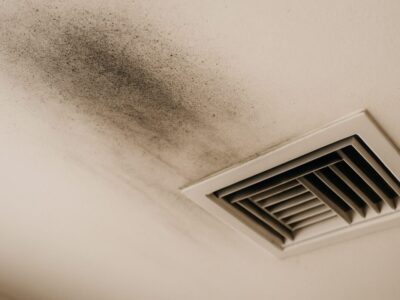
- Thin soot films on ceilings in distant rooms
- Black “webbing” patterns (soot tags) in corners or closets
- Contamination inside ductwork
- Soot inside kitchen cabinets even when doors were closed
- Residue on electrical outlets, switches, and appliance housings
Professional testing — including surface sampling and HVAC inspection — is often required to document the full spread.
2. Smoke Odor Is a Structural Issue, Not Just a Smell
Smoke odor is not a surface-level problem. The microscopic particles that cause odor penetrate drywall, insulation, subflooring, trim, plywood, and framing members.
Why odor persists:
- Thermal pressure from the fire forces smoke deep into porous materials
- Insulation acts like a sponge, holding odor
- HVAC systems pull smoke throughout the house
Odor remediation often requires:
- Removal of affected insulation
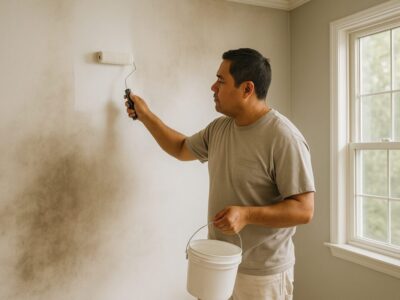
- Sealing of walls and ceilings with specialty odor-blocking primers
- Ozone or hydroxyl treatments
- Deep cleaning of structural cavities
Many NJ homeowners assume odor will fade on its own. Insurance adjusters may treat it as a minor inconvenience. In reality, odor is a sign of deeper contamination and should be addressed as part of the covered restoration.
3. Hidden Structural Damage After a Fire
Even a fire confined to one room can cause structural issues in areas that never burned.
Common hidden problems:
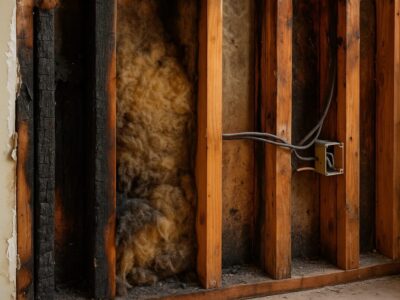
- Heat-warped joists or framing
- Compromised electrical wiring or melted insulation sheathing
- Cracked windows due to thermal shock
- Damaged plumbing lines, especially PEX or PVC
- Smoke penetration into wall cavities, requiring partial demolition
Homeowners often don’t discover these issues until repairs begin — which can lead to disputes with insurance if the damage wasn’t documented early.
How New Jersey Homeowners Can Document Hidden Damage Properly
To ensure insurance covers the full scope:
- Get a full-home soot and smoke inspection
This includes surface sampling, HVAC inspection, and photographic evidence.
- Document odor-related issues immediately
Note every affected room, even if it looks visually clean.
- Have contractors look behind walls and ceilings
Fire investigators, restoration contractors, and licensed electricians can identify issues not visible during the initial walkthrough.
- Keep records of all findings
Photos, videos, and written reports help establish scope for the claim.
- Request a reevaluation if new issues appear during repairs
Supplementing a claim is normal and allowed when hidden damage is discovered.
Why Hidden Fire Damage Gets Missed in NJ Claims
There are three main reasons:
- Homeowners focus on the burn area, not the whole house.
- Insurance adjusters perform visual inspections, not detailed smoke/soot testing.
- Odor and soot contamination are often invisible at first glance.
Many NJ homeowners don’t realize the full extent of damage until weeks after cleaning begins, which complicates claims if not documented properly upfront.
Key Takeaways for New Jersey Homeowners
- Soot travels farther and damages more materials than most homeowners expect.
- Smoke odor indicates deeper structural penetration.
- Hidden fire damage may not appear until repairs begin — but should still be covered.
- Proper testing and documentation protect your claim and ensure accurate restoration scope.
Understanding these issues early helps NJ homeowners navigate the fire claim process more effectively and avoid costly underpayments.